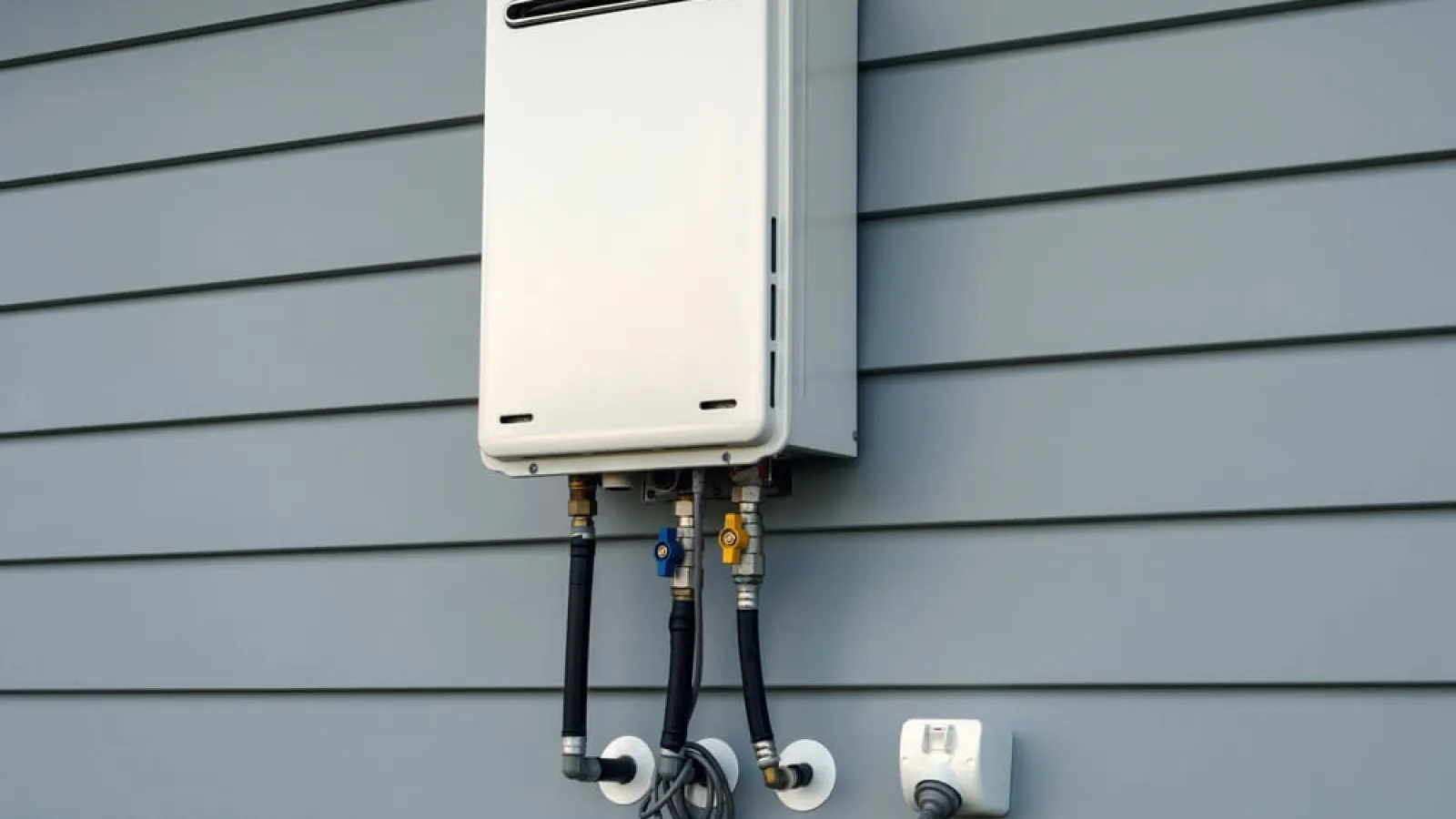
Tankless Water Heater Installation & Repair in Atlanta, GA
Endless Hot Water, Lower Energy Bills, and a System That Lasts
Running out of hot water mid-shower. A water heater closet is eating up half your utility room. A tank that's pushing 12 years old and showing it. Tankless water heaters solve all three, but only when they're sized and installed correctly for your home's demand.
Schedule Service Now

Fully Insured & Licensed
At Dalmatian Plumbing, we are fully insured and licensed, giving you peace of mind knowing your home is in trusted hands. Our commitment to professionalism ensures every job is completed safely, reliably, and up to the highest industry standards.

Experienced & Dependable
Our experienced team delivers dependable solutions you can trust for every plumbing need. We pride ourselves on combining expertise with reliability to keep your home running smoothly.

Satisfaction Guaranteed
Your peace of mind is our top priority at Dalmatian Plumbing, which is why we offer a straightforward 100% satisfaction guarantee on all leak detection and repair services. If anything doesn't meet your expectations, just let us know, and we'll make it right.
Understanding How Tankless Water Heaters Operate
Tankless water heaters, often called on-demand systems, heat water only when it's needed instead of storing it in a tank. When you turn on a hot water tap, cold water runs through the unit, where a gas burner or electric heating element quickly warms it. This process delivers a steady flow of hot water for as long as you need it, unlike traditional tank models that can run out.
Because they don't have to maintain a large tank of hot water around the clock, tankless systems are more energy-efficient and can help lower utility costs. Homeowners often find them especially useful for households with higher hot water demands or for those looking to save space, since these units are compact and wall-mounted.
Gas vs. Electric Tankless Water Heaters: Which Is Right for Your Atlanta Home?
This is the question most homeowners have first, and the answer depends on several factors specific to your home and usage.
Gas tankless water heaters
-
Most common choice for Atlanta homes with existing natural gas
-
Heat water faster than electric models
-
Handle higher simultaneous demand (multiple showers, laundry, dishwasher running at once)
-
Typically have lower monthly operating costs
-
Installation usually requires a dedicated gas line and proper venting
Electric tankless water heaters
-
Well-suited for point-of-use applications
-
Electric units can perform well for smaller households without the same heating burden you'd see in colder climates
-
Larger homes with high simultaneous hot water demand are generally better served by gas.
Signs Your Water Heater Needs Repair or Replacement
- You're running out of hot water before everyone's showered
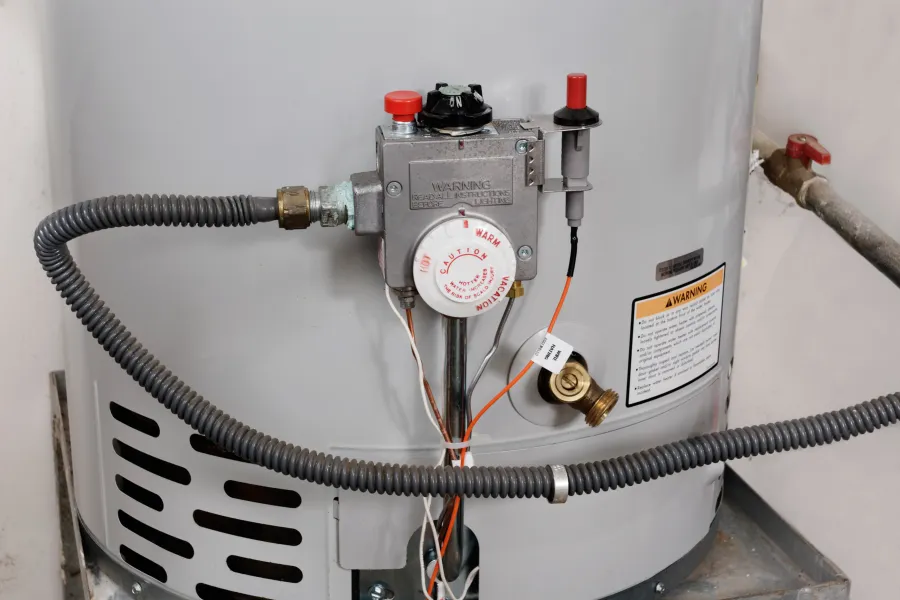
- Your tank-style water heater is 10-15 years old (or older)
- Your tankless unit is throwing error codes or failing to ignite
- Hot water takes unusually long to arrive at fixtures
- You're seeing rust-colored or discolored water from hot taps
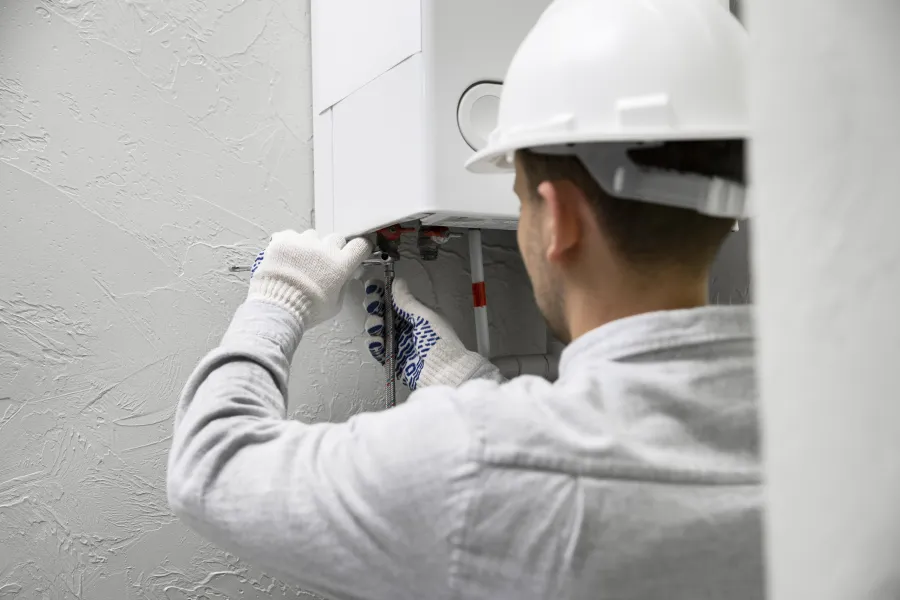
If your current unit is 10+ years old and repairs are becoming more frequent, a replacement is almost always the more cost-effective path forward. Our technicians will give you an honest assessment either way.

Why Homeowners in Atlanta Choose Dalmatian Plumbing for Water Heater Replacement
Frequently Asked Questions
Q What are the signs that my water heater needs repair or replacement?
There are several indicators that your water heater may need attention. Look out for rusty or discolored water, strange noises coming from the tank, a lack of hot water, or water leaking around the unit. If you notice any of these signs, it's best to contact a professional plumber to assess the situation.
Q How long do water heaters typically last?
The lifespan of a water heater can vary depending on the type of unit and maintenance. On average, traditional tank-style water heaters last around 8 to 12 years, while tankless water heaters can last up to 20 years. Regular maintenance and timely repairs can extend the life of your water heater.
Q Should I repair or replace my water heater?
The decision to repair or replace your water heater depends on the extent of the problem, the age of the unit, and the cost of repairs compared to a new installation. A professional plumber can evaluate the condition of your water heater and provide expert advice on the most cost-effective solution.
Q How can I maintain my water heater?
Regular maintenance is crucial to keep your water heater running efficiently. Flushing the tank annually to remove sediment buildup, checking the pressure relief valve, and inspecting the anode rod are some common maintenance tasks. It's also advisable to have a professional plumber perform a thorough inspection and maintenance service periodically.